
Alik Bahshi
Verified User
Alik Bakhshi
Azerbaijan and Armenia
The enmity between Armenia and Azerbaijan arose after Russia's invasion of the South Caucasus and subsequent colonization. Historically, there are no known instances of bloody clashes between Armenians and Azerbaijanis prior to the arrival of Russian conquerors in these regions.
First of all, to understand the immediate source of the confrontation that led to tragic consequences for two peoples who had been peaceful neighbors for centuries, it is necessary to reconstruct the chain of historical events that took place in the Russian Empire.
The first, and most crucial, action taken by Russia after the conquest of the Azerbaijani khanates was the deportation of the Caucasian Tatars from the Yerevan and Karabakh khanates—as the Russians called the local population because of their Turkic language, similar to that of the Crimean and Volga Tatars—followed by the resettlement of Armenians. The tsarist authorities believed that the presence of a Christian people on the border with Turkic countries such as Turkey and Persia would ensure the security of the captured territories in the South Caucasus. To this end, they encouraged the resettlement of Armenians from throughout the Middle East, granting them land and homes of forcibly displaced Azerbaijanis.
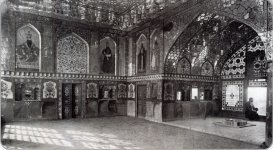
It should be noted that the land expropriation and deportation of Azerbaijanis continued under Soviet rule. For example, in 1920, Moscow transferred Zangezur to Armenia, having first deported the local Azerbaijani population. While 5% of Yerevan's population was Armenian at the time of Russia's conquest of the Yerevan Khanate, during the Soviet era, Yerevan, like the rest of Armenia, became completely mono-ethnic. The Armenians not only expelled the indigenous Azerbaijani population but also destroyed all traces of their centuries-long presence. The Shah's Palace complex, located in the center of Yerevan and a fine example of oriental architecture, was completely razed to the ground. An old photograph attests to the palace's splendor:
Along with the palace, the Armenians barbarously destroyed the entire historic center of Yerevan, with its minarets and fortress wall.
To somehow legally formalize the Armenian presence in the South Caucasus, the Soviet government granted the former territory of the Yerevan Khanate, where Armenians now constituted the majority of the population, the status of the Soviet Socialist Republic of Armenia. Moscow did the same with the Russian-occupied part of Persia, or more precisely, the northern part of its territory, geographically known as Azerbaijan, where the Turkic population lived—which the Russians, as I have already mentioned, called Caucasian Tatars—and designated it the Soviet Socialist Republic of Azerbaijan. The southern part of Azerbaijan, where the Turkic population numbered 30-40 million, remained under Persian control, and the Turks there became known as Azeri, meaning Turks living in Azerbaijan. Historians believe that the etymology of the name Azerbaijan is derived from Atropatena, the ancient name of the state and region. It's important to note that, following the defeat of the Russian Empire in World War I and its dissolution in May 1918, the independent state of the Azerbaijan Democratic Republic (ADR) emerged, and its citizens officially became known as Azerbaijanis, not Turks or Caucasian Tatars. Although the ADR lasted only two years as a result of Soviet Russia's military aggression in 1920, the country was founded by Azerbaijani Turks and is not an artificial state created by Moscow, as claimed by pseudo-Armenian historians. A clarification regarding the official language of Azerbaijan: while the language of the Azerbaijani population was previously called Turkic, during the Soviet era, Azerbaijani was considered the official language. Certainly, for cultural and political reasons, it would have been better to retain the previous definition of the language as Turkic, since Turkic and its dialects are spoken in all Turkic-speaking countries. During the long years of Turkic peoples' presence in the Russian Empire, Moscow pursued the goal of introducing as much distinction as possible by replacing the Arabic alphabet with the Cyrillic alphabet. Today, the headquarters of the Organization of Turkic States (OTG) is working on a unified Latin-based alphabet for all its members. A single language with a single alphabet will cement and strengthen the OTS (1)
The ongoing consolidation of Turkic countries is perceived by Armenia and Russia as a threat to their security. Indeed, for Armenia, which, despite its defeat in the Karabakh War, has not abandoned its territorial claims against Azerbaijan, the unification of Turkic countries poses a threat. While Russia, which literally created a state for Armenians on the lands of Azerbaijan and provided military support during the Karabakh conflict and the seizure of 20% of Azerbaijani territory, previously played the role of a reliable and strong patron, since Pashinyan's rise to power, tensions have flared between Moscow and Yerevan. Whether Putin sensed Pashinyan's unreliability, perceiving him as a traitor drawn to pro-Western democratic values, or whether, against the backdrop of the war in Ukraine, economic ties with Baku seemed preferable to Putin, or whether it was due to President Aliyev's skillful policies, or perhaps a combination of all of the above, the fact remains that Russia did not come to Armenia's aid during the Second Karabakh War. In reality, Russia, while abiding by the CSTO treaty, could have become involved in military action on Armenia's side only if Azerbaijan had launched attacks on Armenia itself, which did not happen during the war.
To be continued
Azerbaijan and Armenia
The enmity between Armenia and Azerbaijan arose after Russia's invasion of the South Caucasus and subsequent colonization. Historically, there are no known instances of bloody clashes between Armenians and Azerbaijanis prior to the arrival of Russian conquerors in these regions.
First of all, to understand the immediate source of the confrontation that led to tragic consequences for two peoples who had been peaceful neighbors for centuries, it is necessary to reconstruct the chain of historical events that took place in the Russian Empire.
The first, and most crucial, action taken by Russia after the conquest of the Azerbaijani khanates was the deportation of the Caucasian Tatars from the Yerevan and Karabakh khanates—as the Russians called the local population because of their Turkic language, similar to that of the Crimean and Volga Tatars—followed by the resettlement of Armenians. The tsarist authorities believed that the presence of a Christian people on the border with Turkic countries such as Turkey and Persia would ensure the security of the captured territories in the South Caucasus. To this end, they encouraged the resettlement of Armenians from throughout the Middle East, granting them land and homes of forcibly displaced Azerbaijanis.
It should be noted that the land expropriation and deportation of Azerbaijanis continued under Soviet rule. For example, in 1920, Moscow transferred Zangezur to Armenia, having first deported the local Azerbaijani population. While 5% of Yerevan's population was Armenian at the time of Russia's conquest of the Yerevan Khanate, during the Soviet era, Yerevan, like the rest of Armenia, became completely mono-ethnic. The Armenians not only expelled the indigenous Azerbaijani population but also destroyed all traces of their centuries-long presence. The Shah's Palace complex, located in the center of Yerevan and a fine example of oriental architecture, was completely razed to the ground. An old photograph attests to the palace's splendor:
Along with the palace, the Armenians barbarously destroyed the entire historic center of Yerevan, with its minarets and fortress wall.
To somehow legally formalize the Armenian presence in the South Caucasus, the Soviet government granted the former territory of the Yerevan Khanate, where Armenians now constituted the majority of the population, the status of the Soviet Socialist Republic of Armenia. Moscow did the same with the Russian-occupied part of Persia, or more precisely, the northern part of its territory, geographically known as Azerbaijan, where the Turkic population lived—which the Russians, as I have already mentioned, called Caucasian Tatars—and designated it the Soviet Socialist Republic of Azerbaijan. The southern part of Azerbaijan, where the Turkic population numbered 30-40 million, remained under Persian control, and the Turks there became known as Azeri, meaning Turks living in Azerbaijan. Historians believe that the etymology of the name Azerbaijan is derived from Atropatena, the ancient name of the state and region. It's important to note that, following the defeat of the Russian Empire in World War I and its dissolution in May 1918, the independent state of the Azerbaijan Democratic Republic (ADR) emerged, and its citizens officially became known as Azerbaijanis, not Turks or Caucasian Tatars. Although the ADR lasted only two years as a result of Soviet Russia's military aggression in 1920, the country was founded by Azerbaijani Turks and is not an artificial state created by Moscow, as claimed by pseudo-Armenian historians. A clarification regarding the official language of Azerbaijan: while the language of the Azerbaijani population was previously called Turkic, during the Soviet era, Azerbaijani was considered the official language. Certainly, for cultural and political reasons, it would have been better to retain the previous definition of the language as Turkic, since Turkic and its dialects are spoken in all Turkic-speaking countries. During the long years of Turkic peoples' presence in the Russian Empire, Moscow pursued the goal of introducing as much distinction as possible by replacing the Arabic alphabet with the Cyrillic alphabet. Today, the headquarters of the Organization of Turkic States (OTG) is working on a unified Latin-based alphabet for all its members. A single language with a single alphabet will cement and strengthen the OTS (1)
The ongoing consolidation of Turkic countries is perceived by Armenia and Russia as a threat to their security. Indeed, for Armenia, which, despite its defeat in the Karabakh War, has not abandoned its territorial claims against Azerbaijan, the unification of Turkic countries poses a threat. While Russia, which literally created a state for Armenians on the lands of Azerbaijan and provided military support during the Karabakh conflict and the seizure of 20% of Azerbaijani territory, previously played the role of a reliable and strong patron, since Pashinyan's rise to power, tensions have flared between Moscow and Yerevan. Whether Putin sensed Pashinyan's unreliability, perceiving him as a traitor drawn to pro-Western democratic values, or whether, against the backdrop of the war in Ukraine, economic ties with Baku seemed preferable to Putin, or whether it was due to President Aliyev's skillful policies, or perhaps a combination of all of the above, the fact remains that Russia did not come to Armenia's aid during the Second Karabakh War. In reality, Russia, while abiding by the CSTO treaty, could have become involved in military action on Armenia's side only if Azerbaijan had launched attacks on Armenia itself, which did not happen during the war.
To be continued
