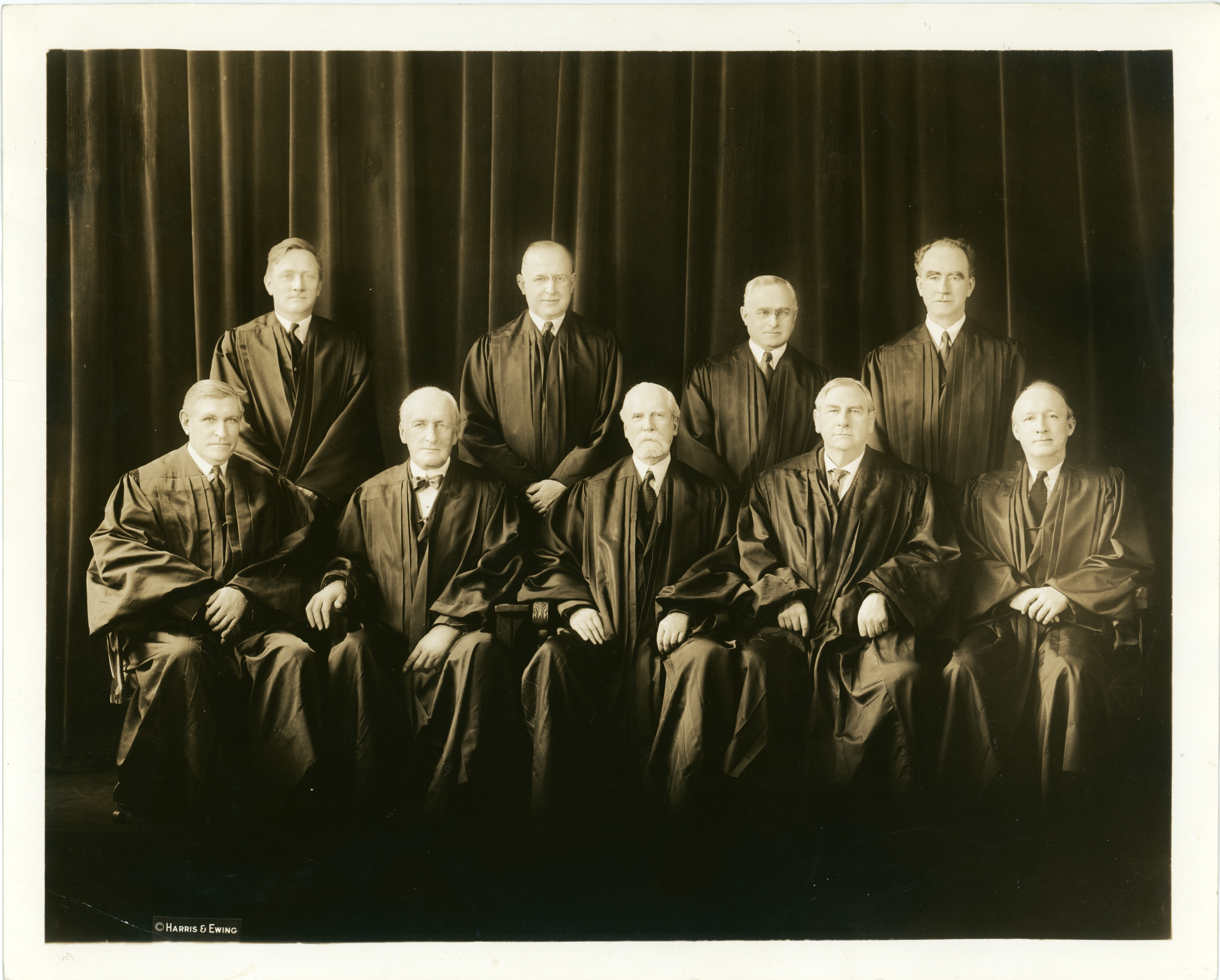
Did FDR pack the Supreme Court?
Franklin D. Roosevelt
did attempt to “pack” the Supreme Court, but
Congress rejected the plan, so the Court was never actually expanded. The episode refers to the
Judicial Procedures Reform Bill of 1937, a proposal that would have allowed FDR to add up to
six additional justices to the Court.
What FDR Tried to Do
FDR introduced the bill after the Supreme Court struck down several major New Deal programs. His proposal would have:
- Added one new justice for every sitting justice over age 70 who did not retire
- Allowed up to six new justices, potentially expanding the Court from 9 to 15
- Shifted the Court’s ideological balance in favor of New Deal legislation
This is why it became known as the
“court‑packing plan.”
Why He Tried It
Between 1935 and 1936, the Court invalidated key New Deal laws, including the National Recovery Administration and parts of the Agricultural Adjustment Act. FDR, fresh off a landslide 1936 reelection, sought a structural change to protect his legislative agenda.
What Happened to the Plan
The proposal met
strong bipartisan resistance, including from many Democrats and even Vice President John Nance Garner. Congress refused to pass it, and FDR suffered a political setback.
However, shortly after the plan was announced, the Court began upholding New Deal–style regulations, most famously in
West Coast Hotel Co. v. Parrish (1937). Some observers called this
“the switch in time that saved nine,” though scholars debate whether the shift was actually caused by FDR’s proposal.
What It Means Today
- FDR proposed court packing.
- Congress rejected it.
- The Supreme Court remained at nine justices.
- The episode remains a major historical example of conflict between the executive branch and the judiciary.