yes.Look at the conspiracy lunatic...
Thinking anyone in their right mind would take him seriously...
View attachment 80019
LikelyI think the vote will be 7-2
No, are you really that unaware?Have they ruled yet?
In 1884, not 1994. You are literally 110 years off. In 1924, Native Americans all became subject to our laws, so it would have made no sense in 1994.Elk v Wilkins was decided by the SCOTUS in 1994
Elk had an absolute right to stay in the USA due to his birth, and citizenship in the Winnebago Reservation. Winnebago's could not be deported, or even charged with most crimes, due to them not being subject to our laws.Elk who was born within the territory of the United States was not given birth right citizenship because he owed his allegiance to another government.(the Winnebago reservation)
First off, very few new Mexicans coming to the USA. For 25 years, we have had negative net Mexican migration. Somewhere along the line, the alt right has missed the current situation.The is no difference to a baby born in America of two Mexican parents.
The first part is correct, but the second part is incorrect. Undocumented permanent residents are legally required to register for the draft, and would be drafted if it came to having a draft. It is illegal for them to fail to register for selective services.A person here illegally cannot vote and cannot be drafted.
this is why you lost.In 1884, not 1994. You are literally 110 years off. In 1924, Native Americans all became subject to our laws, so it would have made no sense in 1994.
Elk had an absolute right to stay in the USA due to his birth, and citizenship in the Winnebago Reservation. Winnebago's could not be deported, or even charged with most crimes, due to them not being subject to our laws.
First off, very few new Mexicans coming to the USA. For 25 years, we have had negative net Mexican migration. Somewhere along the line, the alt right has missed the current situation.
If you are arguing that Mexicans are not under US jurisdiction, they can no more be deported than Native Americans can. The same would go for all illegal aliens. Your argument would just prevent their children from voting, but would mean they all had a right to stay in America.
In which direction?I think the vote will be 7-2
Nope but your thread makes it sound like it is decidedLikely
No, are you really that unaware?
You should take a literacy course.Nope but your thread makes it sound like it is decided
The Federal Marshal could still enforce federal laws on reservations in Elk's day. Plus even the land of the reservation was owned by the United States. So Elk was subject to our federal laws but he had intelligence to a foreign government. If Elk's parents who were born on US soil and yet their child also born on US soil were not American citizens the child of two temporary illegal aliens are not American citizens.In the modern structure, this is true. Things are different today than when Elk was decided.
You do not have to be allowed to vote or be drafted to be subject to the jurisdiction of the United States.
Even a few of the Conservatives will go against The PP on this one.
Citation?The Federal Marshal could still enforce federal laws on reservations in Elk's day.
Nobody with any brains or talent will work for the tRump *administration.
It boils down to how this was seen in the late 1800's. Indian lands were considered sovereign, so being born in one and living on one, did not make a person subject to the jurisdiction.The Federal Marshal could still enforce federal laws on reservations in Elk's day. Plus even the land of the reservation was owned by the United States. So Elk was subject to our federal laws but he had intelligence to a foreign government. If Elk's parents who were born on US soil and yet their child also born on US soil were not American citizens the child of two temporary illegal aliens are not American citizens.
Indians born off the reservations were still not US citizens. It required an Act of Congress in 1924 to grant them citizenship. If an American Indian wasn't an American citizen after the passing of the 14th Amendment the child of two illegal Mexican sure as hell is not an American Citizen.It boils down to how this was seen in the late 1800's. Indian lands were considered sovereign, so being born in one and living on one, did not make a person subject to the jurisdiction.
However a person visiting the United States when a baby is born IS subject to the jurisdiction at that time of their birth.
It is as simple as that.
So? It doesn't apply to illegal immigrants, Pretender.
No such thing, Stooge. DON'T TRY TO HIDE BEHIND THE CONSTITUTION YOU DESPISE!We are not dealing with the Trumpian Constitution.
The 14th amendment does not grant citizenship to illegal aliens, No court hat authority to change the Constitution.View attachment 79868
View attachment 79869
![]()
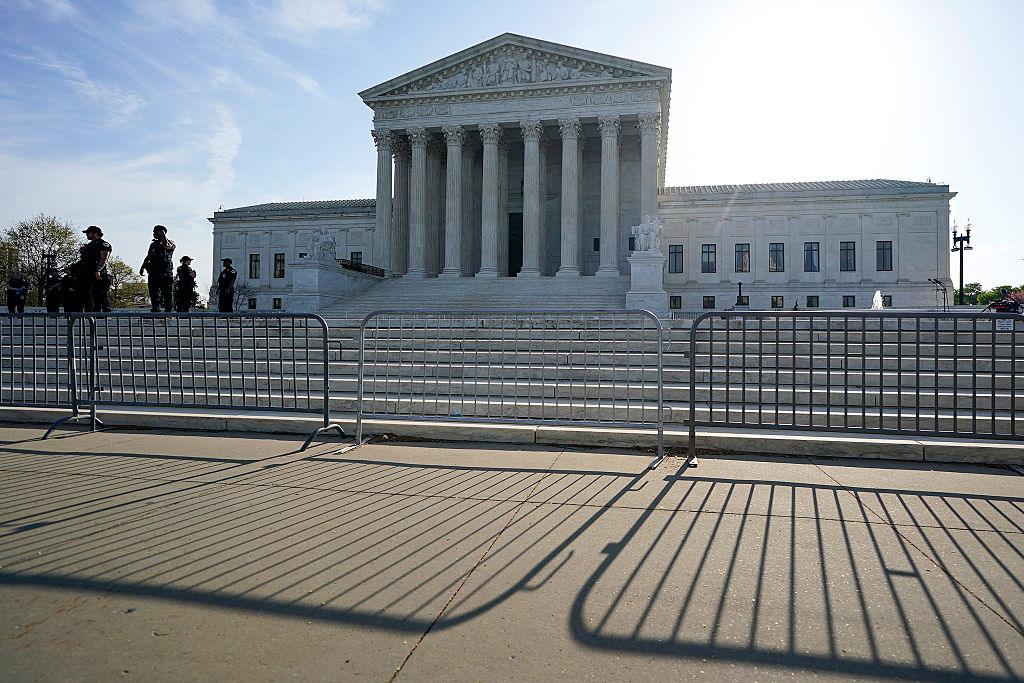
Supreme Court appears likely to side against Trump on birthright citizenship
Updated on April 1 at 4:03 p.m. On Jan. 20, 2025, President Donald Trump signed an executive order that would end birthright citizenship – the guarantee of U.S. citizenship to […]www.scotusblog.com
Only legal residents can have American citizens. It is as simple as that.It boils down to how this was seen in the late 1800's. Indian lands were considered sovereign, so being born in one and living on one, did not make a person subject to the jurisdiction.
However a person visiting the United States when a baby is born IS subject to the jurisdiction at that time of their birth.
It is as simple as that.
Exactly because Elk was born in a separate sovran land (the reservation) when he was born. (not subject to the jurisdiction of the USA)Indians born off the reservations were still not US citizens. It required an Act of Congress in 1924 to grant them citizenship. If an American Indian wasn't an American citizen after the passing of the 14th Amendment the child of two illegal Mexican sure as hell is not an American Citizen.
AI Overview
Before 1924,
most Native Americans, including those not born on a reservation, were not automatically U.S. citizens. While they were born within U.S. territory, the Supreme Court ruled in Elk v. Wilkins (1884) that they were not "subject to the jurisdiction" of the U.S. due to tribal allegiances, effectively excluding them from the 14th Amendment's birthright citizenship