Everyone hates ITN.Why do you waste time trolling? People ignore you.

You are using an out of date browser. It may not display this or other websites correctly.
You should upgrade or use an alternative browser.
You should upgrade or use an alternative browser.
The Democrat's answer to fraud: Make discovering it illegal!
- Thread starter T. A. Gardner
- Start date

Into the Night
Contributor
You don't get to speak for everyone, Hugo. Omniscience fallacy.Everyone hates ITN.
shut up you brain dead jerkoffYou don't get to speak for everyone, Hugo. Omniscience fallacy.
Into the Night
Contributor
He never said any such thing, Hugo.^^Says the guy who thinks Trump can do no wrong.
shut up you brain dead jerkoffHe never said any such thing, Hugo.
Into the Night
Contributor
You really think your chanting works, Hugo?shut up you brain dead jerkoff
shut up you brain dead jerkoffYou really think your chanting works, Hugo?
Into the Night
Contributor
How childish!shut up you brain dead jerkoff

shut up you brain dead jerkoffHow childish!
Into the Night
Contributor
Chant away, Hugo.shut up you brain dead jerkoff

T. A. Gardner
Serial Thread Killer
When did I say that?^^Says the guy who thinks Trump can do no wrong.

It's almost like you are so stupid you don't realize how stupid you are.The bill protects criminals. It is also suppression of the press, violating the Constitution of the State of California.
Into the Night
Contributor
Mantra 1a. Lame.It's almost like you are so stupid you don't realize how stupid you are.

tigerred59
Verified User
If the dems keep this protecting immigrants shit up this fall, they gonna lose. Immigrants are not friends of liberals or minorities in this country and for our elected officials to keep wasting all our valuable capital on protecting these damn ppl, they gonna lose black voters this Nov. What the guy did by exposing the corrupt Trump supporting Somali's in Mn. was a good thing. Democrats need to learn how to fuckin pick a lane and stay in it...number one reason I'm a independent, I hate them motherfuckers.Yep, that's what Democrats in California want to do, leading the charge against investigative journalists like Nick Shirley. Pass laws that make what he does illegal...

California addresses fraud with the 'Stop Nick Shirley Act'
California lawmakers are advancing the "Stop Nick Shirley Act," following increased scrutiny about rampant fraud in the statewww.deseret.com

Newsom-Backed Bill Sparks Alarm Over Potential Crackdown on Fraud Investigations
Critics warn California proposal could criminalize investigative reporting Elon Musk and watchdogs raise free speech concerns as debate intensifies.bigleaguepolitics.substack.com

California tries to criminalize journalism — to protect fraud
A bill moving through the California Legislature would give taxpayer-funded organizations the power to demand the removal of videos recorded in public spaces.nypost.com
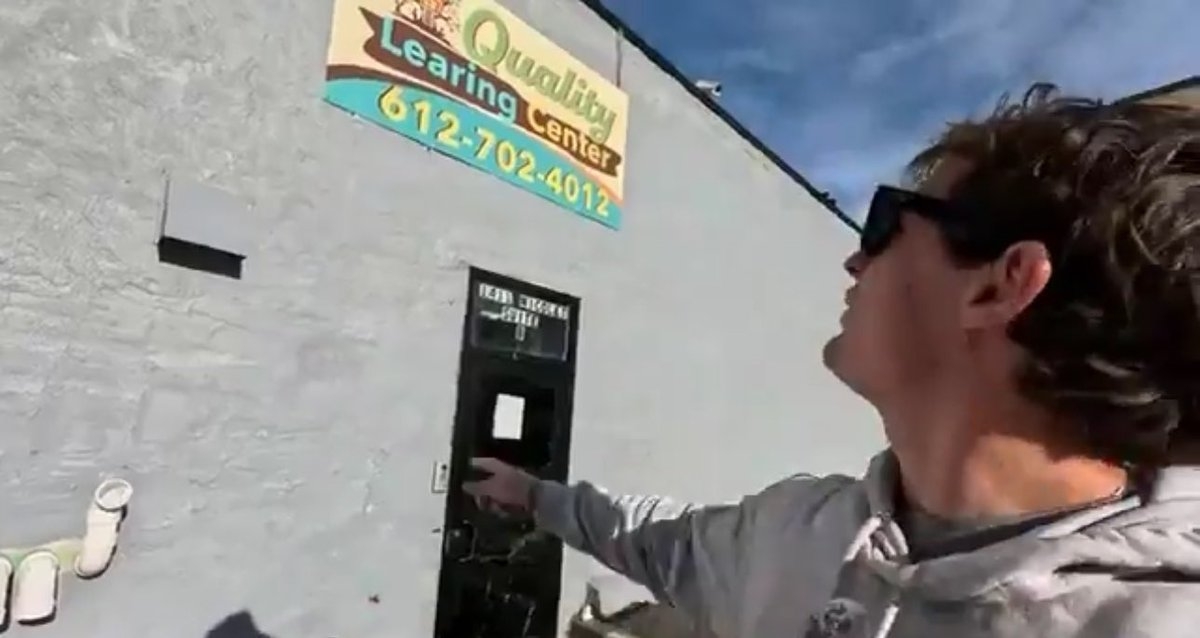
California Democrats Advance "Stop Nick Shirley Act" to Shield Immigrant Fraudsters from Public Scrutiny
SACRAMENTO, Calif. - In a brazen 11-2 vote on April 13, 2026, the California Assembly Judiciary Committee advanced AB 2624, a bill that critics are rightly calling the "Stop Nick Shirley Act." Authored by Assemblymember Mia Bonta, this legislation masquerades as "privacy protections" for...www.smobserved.com
That's the ticket for Democrats! Make free speech illegal, jail the reporters, and ignore the fraud because for them fraud of the sort being uncovered is good and results in lots and lots of campaign donations. Can't have that money pipeline cut off by responsible use of tax dollars and rooting out fraud!

Grim Reaper
Chief Exit Officer (CEO)
The claim you’re sharing mixes a real legislative proposal with a lot of exaggerated or misleading framing.Yep, that's what Democrats in California want to do, leading the charge against investigative journalists like Nick Shirley. Pass laws that make what he does illegal...
California addresses fraud with the 'Stop Nick Shirley Act'
California lawmakers are advancing the "Stop Nick Shirley Act," following increased scrutiny about rampant fraud in the state
Newsom-Backed Bill Sparks Alarm Over Potential Crackdown on Fraud Investigations
Critics warn California proposal could criminalize investigative reporting Elon Musk and watchdogs raise free speech concerns as debate intensifies.
California tries to criminalize journalism — to protect fraud
A bill moving through the California Legislature would give taxpayer-funded organizations the power to demand the removal of videos recorded in public spaces.
California Democrats Advance "Stop Nick Shirley Act" to Shield Immigrant Fraudsters from Public Scrutiny
SACRAMENTO, Calif. - In a brazen 11-2 vote on April 13, 2026, the California Assembly Judiciary Committee advanced AB 2624, a bill that critics are rightly calling the "Stop Nick Shirley Act." Authored by Assemblymember Mia Bonta, this legislation masquerades as "privacy protections" for...www.smobserved.com
That's the ticket for Democrats! Make free speech illegal, jail the reporters, and ignore the fraud because for them fraud of the sort being uncovered is good and results in lots and lots of campaign donations. Can't have that money pipeline cut off by responsible use of tax dollars and rooting out fraud!
What’s actually true (based on available reporting and how bills like this work):
- There is a California bill (referred to as AB 2624 in some coverage) dealing with privacy, harassment, or recording/redistribution of individuals, especially in sensitive contexts.
- Lawmakers—such as Assemblymember Mia Bonta—have framed efforts like this around protecting people from doxxing, harassment, or exploitation, not banning journalism outright.
What’s misleading or unsupported in those articles:
- The label “Stop Nick Shirley Act” is not an official name; it’s a political nickname used by critics. That alone is a red flag that the framing may be advocacy rather than neutral reporting.
- Claims that the bill would “make investigative journalism illegal” or “jail reporters” are not supported by the actual purpose of such legislation. U.S. constitutional protections—especially the First Amendment—make a blanket criminalization of journalism extremely unlikely to survive legal scrutiny.
- Assertions that the bill is meant to “protect fraud” or “secure campaign donations” are opinion and speculation, not evidence-based conclusions.
What’s really being debated:
- Where to draw the line between:
- Free speech / investigative reporting
- and privacy / harassment protections
- This is a recurring tension, especially with online content creators who film individuals in public and publish accusatory videos.
About the sources you cited:
- Some (like opinion sections of New York Post) are explicitly editorial.
- Others (like partisan blogs or Substack posts) often present one-sided interpretations rather than verified, balanced reporting.
- Even more mainstream outlets (like Deseret News) may report on controversy but still require careful reading beyond headlines.
Bottom line:
There’s no credible evidence that California is trying to “make free speech illegal” or broadly criminalize investigative journalism. The situation is better understood as a policy dispute over privacy vs. aggressive online reporting tactics, with critics and supporters framing it in very different—and sometimes exaggerated—ways.
T. A. Gardner
Serial Thread Killer
And, another reply by the freshman high schooler AI...The claim you’re sharing mixes a real legislative proposal with a lot of exaggerated or misleading framing.
What’s actually true (based on available reporting and how bills like this work):
- There is a California bill (referred to as AB 2624 in some coverage) dealing with privacy, harassment, or recording/redistribution of individuals, especially in sensitive contexts.
- Lawmakers—such as Assemblymember Mia Bonta—have framed efforts like this around protecting people from doxxing, harassment, or exploitation, not banning journalism outright.
What’s misleading or unsupported in those articles:
- The label “Stop Nick Shirley Act” is not an official name; it’s a political nickname used by critics. That alone is a red flag that the framing may be advocacy rather than neutral reporting.
- Claims that the bill would “make investigative journalism illegal” or “jail reporters” are not supported by the actual purpose of such legislation. U.S. constitutional protections—especially the First Amendment—make a blanket criminalization of journalism extremely unlikely to survive legal scrutiny.
- Assertions that the bill is meant to “protect fraud” or “secure campaign donations” are opinion and speculation, not evidence-based conclusions.
What’s really being debated:
- Where to draw the line between:
- Free speech / investigative reporting
- and privacy / harassment protections
- This is a recurring tension, especially with online content creators who film individuals in public and publish accusatory videos.
About the sources you cited:
- Some (like opinion sections of New York Post) are explicitly editorial.
- Others (like partisan blogs or Substack posts) often present one-sided interpretations rather than verified, balanced reporting.
- Even more mainstream outlets (like Deseret News) may report on controversy but still require careful reading beyond headlines.
Bottom line:
There’s no credible evidence that California is trying to “make free speech illegal” or broadly criminalize investigative journalism. The situation is better understood as a policy dispute over privacy vs. aggressive online reporting tactics, with critics and supporters framing it in very different—and sometimes exaggerated—ways.
Bottom line: I can't address the AI directly. Your plagiarism--and it is plagiarism--of its lame assed answers is something I could address, but won't bother to because I'm not addressing the actual writer of them, but instead, you the person doing the cut and paste. That would waste my time as it's clear you have no actual input here.
Grim Reaper
Chief Exit Officer (CEO)
Bold strategy, accusing someone of plagiarism while simultaneously admitting you can't be bothered to engage with the content. Tell me, do you also yell at Siri for reading Wikipedia too slowly, or is this rage reserved exclusively for copy-paste enthusiasts?And, another reply by the freshman high schooler AI...
Bottom line: I can't address the AI directly. Your plagiarism--and it is plagiarism--of its lame assed answers is something I could address, but won't bother to because I'm not addressing the actual writer of them, but instead, you the person doing the cut and paste. That would waste my time as it's clear you have no actual input here.
T. A. Gardner
Serial Thread Killer
Look, I win!Bold strategy, accusing someone of plagiarism while simultaneously admitting you can't be bothered to engage with the content. Tell me, do you also yell at Siri for reading Wikipedia too slowly, or is this rage reserved exclusively for copy-paste enthusiasts?

Grim Reaper
Chief Exit Officer (CEO)
Somehow convinced they're winning while everyone else is just confused about why they showed up. Stay mad, Direct MissLook, I win!