
evince
Truthmatters
Did Hilary get three million more votes?Your presidential elections are not decided by popular vote. Perhaps you might familiarize yourself with the laws of your own nation instead of criticizing others.
Yea you liar

Did Hilary get three million more votes?Your presidential elections are not decided by popular vote. Perhaps you might familiarize yourself with the laws of your own nation instead of criticizing others.

So you can’t even produce the texts if your nations laws?
Leave the fucking site if you are not here to teach or learn
They don’t let you see the text of your laws?
Or you know they say exactly what the AI review said huh
You critique my nationYour presidential elections are not decided by popular vote. Perhaps you might familiarize yourself with the laws of your own nation instead of criticizing others.
You are the one losing the debate boyYou seem disturbed.
This is true and you refuse to present one shred of evidence that it is notUnder Iranian law, women and girls’ rights are not equal to those of men and boys when it comes to the age of criminal responsibility, rights to marriage, divorce, the custody of children, participation in public and political life, in sports and in arts, work, freedom of movement, the transmission of their nationality to their children, and more. Women’s and girls’ testimonies in courts have no legal value for certain categories of crimes, while weights only the value of half that of a man’s in other cases. Women and girls are also entitled to lesser compensation for the violations of their rights.
Come on
Show us the texts of your laws to prove this is untrue
You can’t and you wont
You seem blindYou seem disturbed.
perhaps you should understand why other nations have big problems with your nationYour presidential elections are not decided by popular vote. Perhaps you might familiarize yourself with the laws of your own nation instead of criticizing others.
Whitney Webb says that he has been owned by the Rothschilds since about 1994, when they bailed him out as he was about to lose everything, as he was about to be humiliated.Many across the globe suspect that Diaper Don was a participant in Epstein's antics.

EpsteinYou are misinformed.
In Iran, under the Islamic Penal Code (IPC) of 2013 (Book Two on Hudud crimes), several sex-related offenses classified as hudud (fixed Sharia punishments) are punishable by death. These primarily involve zina (unlawful heterosexual intercourse), lavat (male sodomy), and related acts.
Death is not automatic in every case, it depends on factors like marital status (ihsan: being married with prior lawful intercourse), use of force, religious status of the parties, age (pubescent/mature), repetition of the offense, and strict evidentiary rules.
Child molestation or rape of minors often falls here and has led to executions.
Iran retains the death penalty for these under Sharia-based hudud and applies it more frequently than most countries.
These are the legal provisions as of the current IPC; we do not tolerate degeneracy.
The Epstein files: what we know about his links to Iran
Newly released documents from the Jeffrey Epstein case include multiple references to Iran, ranging from claims of a meeting with a former Iranian president to allegations of arms trading, financial networks, and property links connected to Tehran.www.iranintl.com
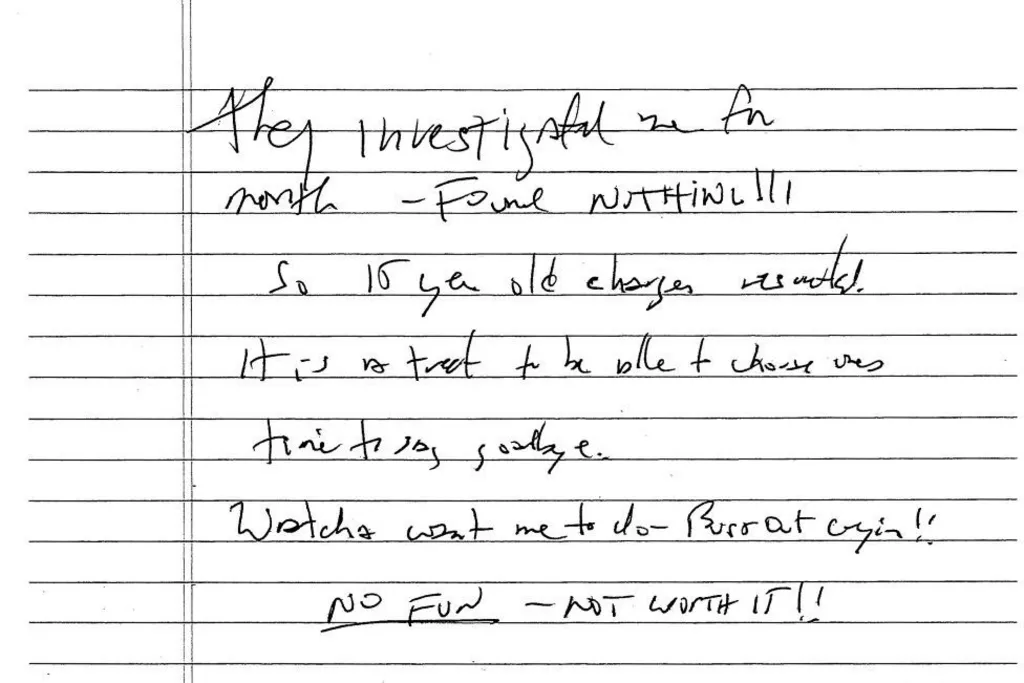
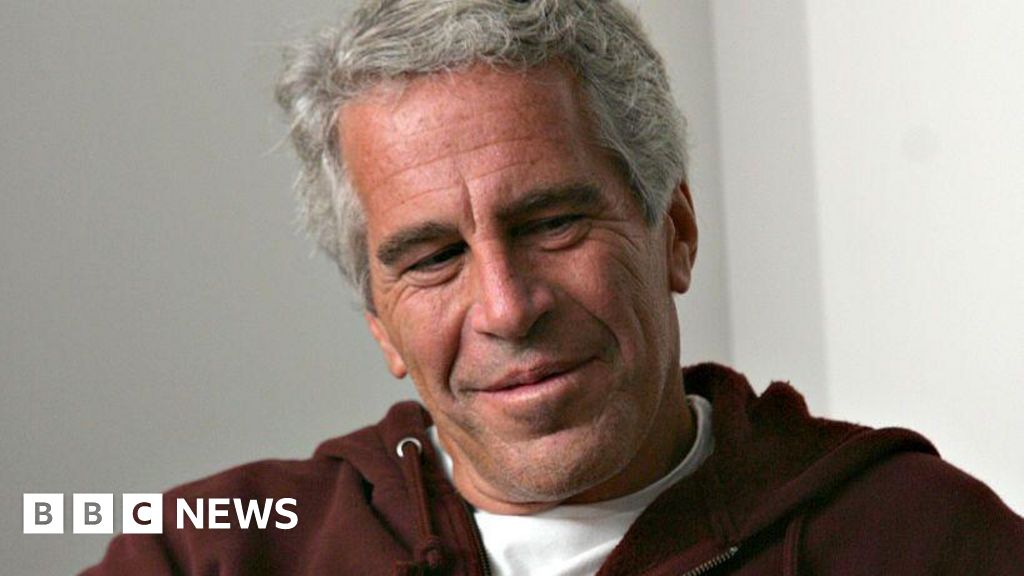
 www.bbc.com

Lol, as if you can read.The text looks like Trump wrote it

IMO that is to our everlasting shame, your Excellency.Foolishness.
Your electorate has rejected two women's bid to become their leader.