Americans Paying Record Electricity Prices

The average retail price for electricity gained 7.4% in September to a record 18.07 cents per kilowatt-hour, the biggest gain since December 2023, according to data released Tuesday.

American households are paying more than ever before for electricity after prices surged the most in almost two years, according to the US Energy Information Administration.

66585f0061c5dbb78761e917c329490b


The number 1 reason for electric rates to rise like they have is the increasing use of wind and solar. There is not one, none, nada, cases where increasing use of wind and solar has not caused precipitous increases in the cost of electricity. Germany, Spain, Australia, Denmark, Italy... Everywhere that invests heavily in wind and solar has seen electricity prices skyrocket.

In the continuous 48 states, California and New York have seen this exact thing happen. Wind has done the same thing in Texas but not quite as bad as massive reliance on solar.
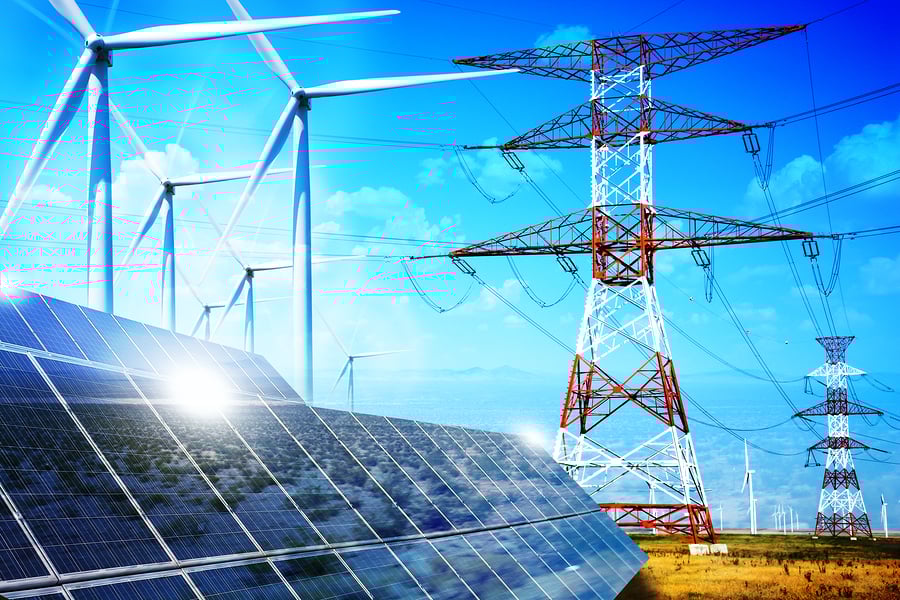


The math is relatively simple. The calculation is for a kilowatt-day, not by the kilowatt-hour like is commonly used. In terms of kilowatt-days of power, wind and especially solar are grossly unaffordable.
 
Terry and i have had this discussion many times with regards to new technology and scaling.

In each case he claims since a new and emerging technology is not cost effective today that means it will not be tomorrow.

Not true. Not in the least. It is unaffordable because it is intermittent and unreliable.
He honestly cites, as proof EVs cannot be competitive the early 1900's EV's losing out to ICE and he says 'tried and tested and failed so we know they cannot compete'.

EV's can't compete because they simply don't work for people's needs. Battery cars aren't new. They've been around for almost 150 years now. They've never successfully competed.

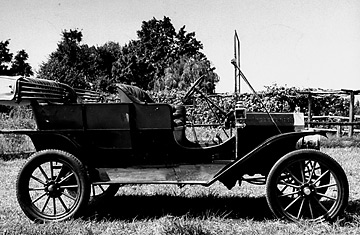
The Baker Electric of 1909 was typical of a battery car of the era. There were charging stations all over places like New York City. But you couldn't take it anywhere beyond those urban areas. It was simply impractical.

Go to about 3 minutes


They were a fail then, they're a fail now.
It is idiocy he cannot save himself from. He refuses to consider ICE had the early benefit of Oil and Gas infrastructure roll out giving it the advantage of being able to travel distances whereas EVs are only getting that now.

I'm not set on ICE vehicles. I want what works, and EV's don't work.
 
For example, the last Tesla tier II charger I installed for someone ran them right at $2000 and I wasn't gouging at all. The wire alone, 8/2G NM ran about $500 alone. The charger, even with my discount, was $450. Slapping a 50-amp circuit in your panel means if aren't careful about when you decide to charge your car, you could easily find your electric bill shooting up $50 to $100 a month.

a496c9ac-40bd-467c-a238-879787ea910c.jpg;maxHeight=427;maxWidth=640
 
Well again I pay all these charges on top of what the power costs.
Electricity Delivery charges
Basic service charges
1) Delivery charge .09783 cents per Kwh.
2 )transition charge .00201799 cents per kwh.
3 ) Revenue decoupling mech.000118 cents per kwh.
4) SBC charge . .006629 cents per kwh
5) Recovery charge .009344 cents per KWH
Then there are the
ELECTRICITY SUPPLY CHARGES.
1 ) Supply charge .09515065 cents per KWH
2) Merchant function charge .00334 cents per KWH
then Taxes on delivery charges 2.0408% ( on total bill )
Then sales tax of 3% on total bill
Looks to me to be a bunch of BS charges to pad their bottom line.
And I can't get a decent answer out of the PSC
What is a Revenue DECOUPLING mech?
A charge for decoupling me from my money?
And what is a Recovery charge? what are they recovering? Electric I didn't use?
And we pay some of the highest bills in the country and we have one of the largest hydro power plants less then 100 miles away.
 
Not true. Not in the least. It is unaffordable because it is intermittent and unreliable.


EV's can't compete because they simply don't work for people's needs. Battery cars aren't new. They've been around for almost 150 years now. They've never successfully competed.

The Baker Electric of 1909 was typical of a battery car of the era. There were charging stations all over places like New York City. But you couldn't take it anywhere beyond those urban areas. It was simply impractical.

Go to about 3 minutes


They were a fail then, they're a fail now.


I'm not set on ICE vehicles. I want what works, and EV's don't work.
Geezus you are a painfully stupid person.

The ICE car and its varients were laughed at in the 1800's and early 1900's and seen as a 'rich persons unreliable toy'. ICE vehicles simply did not work for working people's need and the horse and buggy dominated.

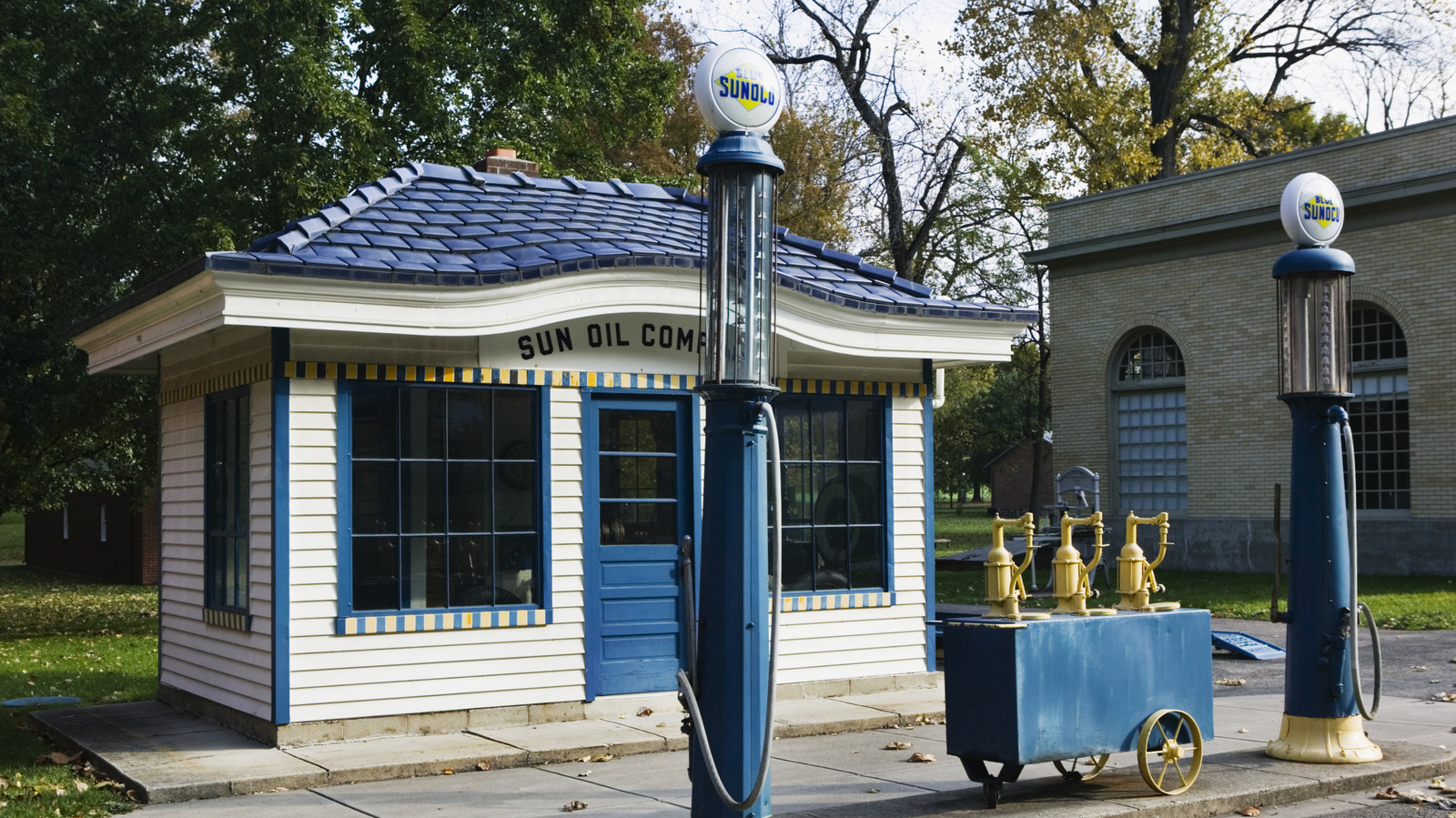
What CHANGED was the FUELING infrastructure, GAS STATIONS, popping up across communities and on popular travel routes.

The exact argument you offer above, as a stupid person you would say the ICE vehicles would never work UNTIL the fueling infrastructure proved you wrong. you, TERRY, being an IDIOT would have been smug in your constant assertion that ICE cannot work, too unreliable and intermittent and often needing a horse and buggy to tow it home.

And just as ICE became viable when their fuel source was built out across communities so to is the EXACT SAME dynamic in play with EV's.

And yet here is stupid Terry saying 'no, they were not viable in the early 1900's under that infrastructure so they cannot be viable now', something that then MUST apply to ICE against the horse and buggy.

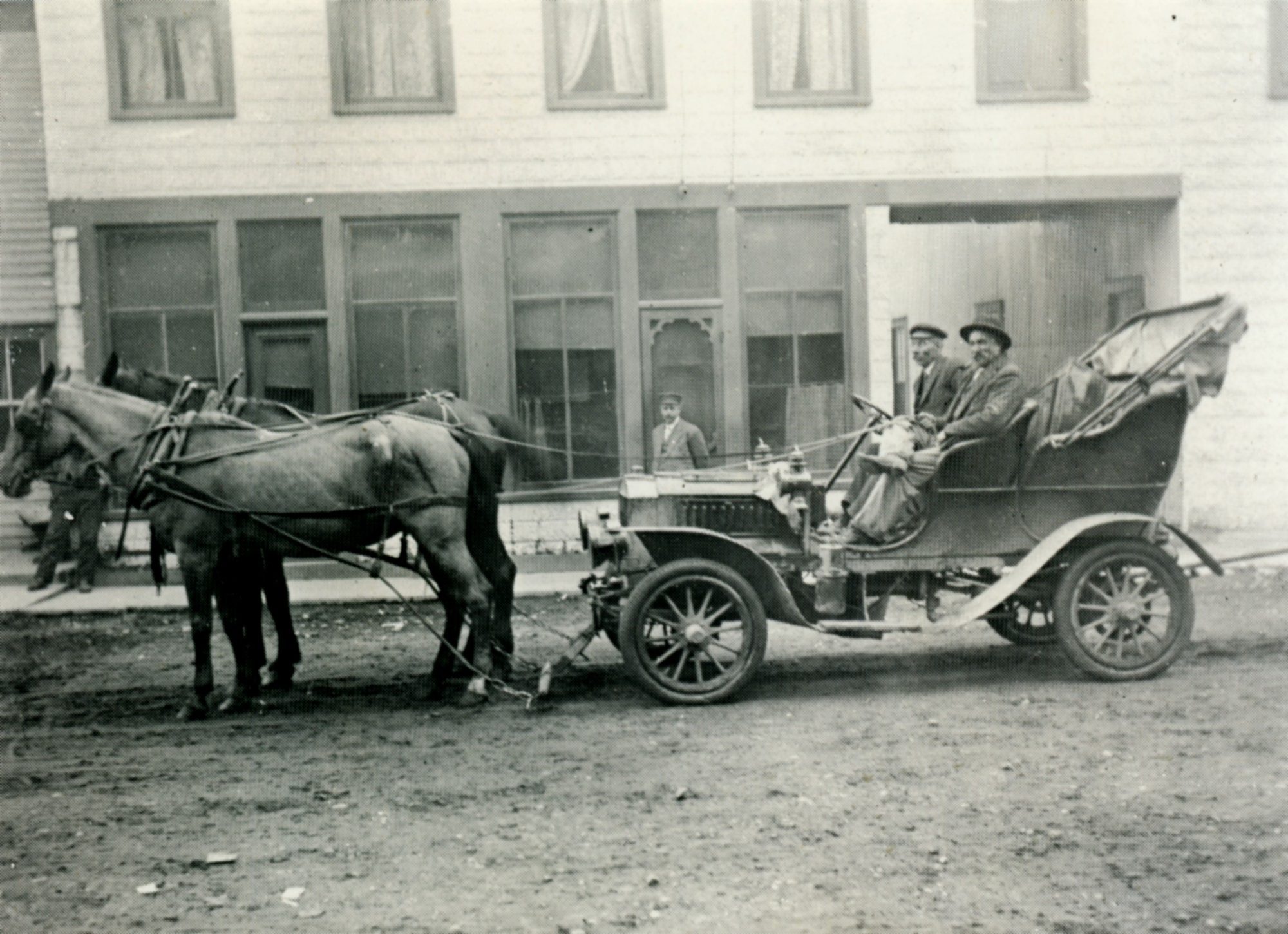
From Horses to Horsepower: Why EV Skeptics Sound Like 19th-Century Farriers

....Then came the automobile. It was noisy, unreliable, and - according to many - never going to replace the noble horse. The skeptics were loud...

20180424-Hermon-HHC-17-2000x1450.jpg
 
The average retail price for electricity gained 7.4% in September to a record 18.07 cents per kilowatt-hour, the biggest gain since December 2023, according to data released Tuesday.

American households are paying more than ever before for electricity after prices surged the most in almost two years, according to the US Energy Information Administration.

66585f0061c5dbb78761e917c329490b


BETWEEN GLOBAL WARMING AND ALL THESE EMPENDING DATA CENTERS POPIN UP, WE AIN'T SEEN NOTHING YET. WAIT TILL YOU START SEEING YOUR WATER BILLS....TRUMPS WINNING STRATEGIES AT WORK!!
 
Well again I pay all these charges on top of what the power costs.
Electricity Delivery charges
Basic service charges
1) Delivery charge .09783 cents per Kwh.
2 )transition charge .00201799 cents per kwh.
3 ) Revenue decoupling mech.000118 cents per kwh.
4) SBC charge . .006629 cents per kwh
5) Recovery charge .009344 cents per KWH
Then there are the
ELECTRICITY SUPPLY CHARGES.
1 ) Supply charge .09515065 cents per KWH
2) Merchant function charge .00334 cents per KWH
then Taxes on delivery charges 2.0408% ( on total bill )
Then sales tax of 3% on total bill
Looks to me to be a bunch of BS charges to pad their bottom line.
And I can't get a decent answer out of the PSC
What is a Revenue DECOUPLING mech?
A charge for decoupling me from my money?
And what is a Recovery charge? what are they recovering? Electric I didn't use?
And we pay some of the highest bills in the country and we have one of the largest hydro power plants less then 100 miles away.
I SIGNED UP FOR THE BUDGET PLAN 2 YEARS AGO, JUST TO KNOW WHAT PAYMENTS TO MAKE ON A CONSISTANT BASIS...MY BILL STARTED OUT A 150.00, WITH ADJUSTMENTS EVERY 6 MONTHS....I AM NOW CURRENTLY AT 246.00 AND RISING...MIND YOU I'M ON A FIXED INCOME, ALONE AND THE ONLY TIME I USE THE HEAT IS MINIMAL, I USE SPACE HEATERS AND IN THE SUMMER I STAY IN MY COOLED BASMENT. DATA CENTERS AND CORPORATE GREED AND TRUMP...ALL CAN FUCK OFF.
 
Geezus you are a painfully stupid person.

The ICE car and its varients were laughed at in the 1800's and early 1900's and seen as a 'rich persons unreliable toy'. ICE vehicles simply did not work for working people's need and the horse and buggy dominated.

What CHANGED was the FUELING infrastructure, GAS STATIONS, popping up across communities and on popular travel routes.

The exact argument you offer above, as a stupid person you would say the ICE vehicles would never work UNTIL the fueling infrastructure proved you wrong. you, TERRY, being an IDIOT would have been smug in your constant assertion that ICE cannot work, too unreliable and intermittent and often needing a horse and buggy to tow it home.

And just as ICE became viable when their fuel source was built out across communities so to is the EXACT SAME dynamic in play with EV's.

And yet here is stupid Terry saying 'no, they were not viable in the early 1900's under that infrastructure so they cannot be viable now', something that then MUST apply to ICE against the horse and buggy.

From Horses to Horsepower: Why EV Skeptics Sound Like 19th-Century Farriers

....Then came the automobile. It was noisy, unreliable, and - according to many - never going to replace the noble horse. The skeptics were loud...

20180424-Hermon-HHC-17-2000x1450.jpg
FROM HORSE POWER TO HORSE SHIT POLICIES AND MONEY GRABBING UTILITY COMPANIES.
 
Geezus you are a painfully stupid person.

The ICE car and its varients were laughed at in the 1800's and early 1900's and seen as a 'rich persons unreliable toy'. ICE vehicles simply did not work for working people's need and the horse and buggy dominated.

What CHANGED was the FUELING infrastructure, GAS STATIONS, popping up across communities and on popular travel routes.

The exact argument you offer above, as a stupid person you would say the ICE vehicles would never work UNTIL the fueling infrastructure proved you wrong. you, TERRY, being an IDIOT would have been smug in your constant assertion that ICE cannot work, too unreliable and intermittent and often needing a horse and buggy to tow it home.

And just as ICE became viable when their fuel source was built out across communities so to is the EXACT SAME dynamic in play with EV's.

And yet here is stupid Terry saying 'no, they were not viable in the early 1900's under that infrastructure so they cannot be viable now', something that then MUST apply to ICE against the horse and buggy.

From Horses to Horsepower: Why EV Skeptics Sound Like 19th-Century Farriers

....Then came the automobile. It was noisy, unreliable, and - according to many - never going to replace the noble horse. The skeptics were loud...

20180424-Hermon-HHC-17-2000x1450.jpg
Hey @T. A. Gardner are you going to pretend you did not see this post that DESTROYS your narrative that since it was proven for over 100 years before gas station existed that ICE vehicles could not compete with the horse and buggy, therefore ICE vehicles will NEVER be able to compete?

OR are you going to admit how incredibly stupid this argument you copy and paste every few months is?
 
The average retail price for electricity gained 7.4% in September to a record 18.07 cents per kilowatt-hour, the biggest gain since December 2023, according to data released Tuesday.

American households are paying more than ever before for electricity after prices surged the most in almost two years, according to the US Energy Information Administration.

66585f0061c5dbb78761e917c329490b


Any possability that the high cost of energy is tied to all the "green Agenda" bullshit promoted by the democrats?
Guano, you are a dupe.
 
Why are prices at records?

No single factor is responsible; it's a combination of structural trends accelerating in 2024–2026.

The dominant drivers, per EIA forecasts and analyses, include:
  1. Explosive demand growth, especially from AI/data centers — EIA projects the strongest four-year rise in U.S. electricity use since 2000, with total consumption hitting fresh records in 2025–2027 (driven by commercial/industrial sectors). Data centers alone are a massive new load; utilities and regulators are approving massive grid upgrades and new generation to meet it, with those capital costs recovered through higher retail rates. Residential demand is growing more slowly, but everyone pays for the system-wide investments.

    eia.gov +1
  2. Grid modernization and reliability investments — Aging infrastructure, plus extreme weather (hurricanes, wildfires, winter storms), requires billions in upgrades for transmission, distribution, and storm hardening. Utilities are passing these costs to customers via approved rate hikes (dozens approved in 2025 affecting tens of millions of households).

    cbsnews.com +1
  3. Higher wholesale costs and fuel volatility — Natural gas prices rebounded sharply in 2025 (spot prices up ~56% year-over-year in some periods), affecting gas-fired generation. Overall wholesale electricity prices are also rising (EIA forecasts continued increases into 2026).

    utilitydive.com
  4. Utility rate cases and regulatory approvals — Regulators nationwide have green-lit increases to cover the above plus inflation/supply-chain effects. All four customer sectors saw revenue-per-kWh rises in late 2025 (residential +6%, commercial +7.8%, etc.), with 44+ states seeing hikes.

    eia.gov
Prices had already been rising faster than inflation since ~2022; the AI-driven demand surge has supercharged the trend since 2024–2025.

EIA’s Short-Term Energy Outlook expects further modest rises in 2026, though regional differences are huge (West Coast/Northeast seeing the steepest increases; some Midwest/South states milder or even flat after inflation adjustment).

catf.us
In short: Record demand (AI/data centers) is colliding with the need to rebuild and expand an aging grid, and those costs are showing up on bills today. Structural changes in how the U.S. uses and produces power are driving it.
 
Hey @T. A. Gardner are you going to pretend you did not see this post that DESTROYS your narrative that since it was proven for over 100 years before gas station existed that ICE vehicles could not compete with the horse and buggy, therefore ICE vehicles will NEVER be able to compete?

OR are you going to admit how incredibly stupid this argument you copy and paste every few months is?
It does nothing to change my post or, as you tried, history. ICE vehicles demolished the EV market in the early 20th century. Battery cars have been tried repeatedly for the last 150 years and have never succeeded in the marketplace outside of niche markets like urban area driving. They simply cannot compete.

Today, government is forcing them on people and that's the only way they've succeeded in the marketplace beyond remaining a small niche market. Show me one country where EV's without government subsidy, incentives, and outright outlawing alternatives have gained a serious share of the automobile market.
 
It does nothing to change my post or, as you tried, history. ICE vehicles demolished the EV market in the early 20th century. Battery cars have been tried repeatedly for the last 150 years and have never succeeded in the marketplace outside of niche markets like urban area driving. They simply cannot compete.

Today, government is forcing them on people and that's the only way they've succeeded in the marketplace beyond remaining a small niche market. Show me one country where EV's without government subsidy, incentives, and outright outlawing alternatives have gained a serious share of the automobile market.
And for over `100 years horse and bug DEMOLISHED ICE vehicles and they could not compete for the EXACT same reason EV's could not compete with ICE.

No access to FUEL when they left the home.

It was ONLY once that changed for ICe with fueling stations being placed along travel routes that ICE FINALLY could compete with horse and buggy.

You look at the period where EV's had no fueling stations and thus the EXACT ISSUE ICE had and yet you are so stupid you think that proves EV's cannot compete even though EV NOW have the beginnings of comparable fueling stations being put in.

This is why i say you need to NEVER discuss technology Terry as you are so stupid you cannot see what the problem was.

ICE still not would be able to compete with the horse and buggy if no gas stations were ever put in across countries. Access to FUEL if the greatest limiter of a new technologies success in this area and until that is solved you are not comparing the CORE technologies at all.
 
I SIGNED UP FOR THE BUDGET PLAN 2 YEARS AGO, JUST TO KNOW WHAT PAYMENTS TO MAKE ON A CONSISTANT BASIS...MY BILL STARTED OUT A 150.00, WITH ADJUSTMENTS EVERY 6 MONTHS....I AM NOW CURRENTLY AT 246.00 AND RISING...MIND YOU I'M ON A FIXED INCOME, ALONE AND THE ONLY TIME I USE THE HEAT IS MINIMAL, I USE SPACE HEATERS AND IN THE SUMMER I STAY IN MY COOLED BASMENT. DATA CENTERS AND CORPORATE GREED AND TRUMP...ALL CAN FUCK OFF.
Perhaps shutting down your computer would help save you money.
 
And for over `100 years horse and bug DEMOLISHED ICE vehicles and they could not compete for the EXACT same reason EV's could not compete with ICE.

Bullshit. The horse and wagon fell increasingly from use as ICE vehicles replaced them.


replacement+of+horses+by+tractors+in+the+united+states.jpg


With the advent of mass produced, relatively cheap, motor vehicles, horses were on the way out. People could see the advantages of an ICE vehicle compared to the horse.

In the US Army, the horse was replaced because logisticians figured out that it was far cheaper to use ICE vehicles in military operations than horses. Motor vehicles could pull and carry more weight. They were more reliable than horses that required periodic food, water, and rest throughout the day, veterinary care, and the weight and volume of food and fodder for them was far greater than that of gasoline.

In cities, replacing horses meant that the hundreds of tons of manure animals produced each day throughout the city ended. That not only lowered operating costs, but it kept the city far cleaner and healthier.

On the other hand, EV's offer no such clear benefits. They cost the same or more as ICE vehicles. They have no maintenance advantage. They are harder to keep charged even in an urban environment. For example, if you curb park normally, you likely don't have access to a charging station while parked so you are forced to go to one eating up your personal time. Refueling a gasoline car, say once a week taking minutes to do so is far more convenient.


No access to FUEL when they left the home.

Gasoline is portable.

ODGreen_20Liter_Can_1800x1800_ec46bf34-2928-474f-a9fd-a12ba4fa807a_1100x.jpg


It was ONLY once that changed for ICe with fueling stations being placed along travel routes that ICE FINALLY could compete with horse and buggy.

Wrong. Gasoline is portable. ICE vehicles could carry more weight and required less maintenance than horses. The biggest drawback initially was the cost of an ICE vehicle. That came down and the horse and buggy were doomed.
You look at the period where EV's had no fueling stations and thus the EXACT ISSUE ICE had and yet you are so stupid you think that proves EV's cannot compete even though EV NOW have the beginnings of comparable fueling stations being put in.

Even without fueling stations, a convoy of ICE vehicles carrying far more weight than a wagon train, could bring gasoline along in a tank wagon or truck to supply the vehicles. This was much more practical than having to haul fodder for horses. And, no, grazing alone won't generally work to feed work horses.

EV's can't compete because they lack that flexibility while offering no significant advantage over an ICE vehicle in performance.
This is why i say you need to NEVER discuss technology Terry as you are so stupid you cannot see what the problem was.

It is YOU that is stupid here. You simply cannot grasp that EV's offer nothing over ICE vehicles in terms of performance or cost and often have drawbacks by comparison.
ICE still not would be able to compete with the horse and buggy if no gas stations were ever put in across countries. Access to FUEL if the greatest limiter of a new technologies success in this area and until that is solved you are not comparing the CORE technologies at all.

ICE vehicles made sense over having to provide stables, barns, and masses of fodder and water for horses. You need veterinary services. It isn't as if horses operated without support. The mere fact they required more support at greater cost and less efficiency was what made them disappear. Compared to ICE vehicles, horses were abysmally poor as a means of transportation even when used with wagons.

When you look at it, in 1920, a two-horse drawn wagon can carry about 1000 lbs. of cargo 10 to 30 miles a day depending on terrain and requires several hours of maintenance (food, water, periodic rest, and general care). By comparison, a single motor vehicle with 1000 lbs. load capacity can travel 2 to 4 times further per day and requires minimal maintenance in doing so (refueling, a fluids check, etc.) that takes just a few minutes. If the vehicle breaks down, it can be repaired usually in hours. If the horse breaks down, you likely end up shooting it or it takes days to weeks to recover.
 
Bullshit. The horse and wagon fell increasingly from use as ICE vehicles replaced them.


replacement+of+horses+by+tractors+in+the+united+states.jpg


With the advent of mass produced, relatively cheap, motor vehicles, horses were on the way out. People could see the advantages of an ICE vehicle compared to the horse.

In the US Army, the horse was replaced because logisticians figured out that it was far cheaper to use ICE vehicles in military operations than horses. Motor vehicles could pull and carry more weight. They were more reliable than horses that required periodic food, water, and rest throughout the day, veterinary care, and the weight and volume of food and fodder for them was far greater than that of gasoline.

In cities, replacing horses meant that the hundreds of tons of manure animals produced each day throughout the city ended. That not only lowered operating costs, but it kept the city far cleaner and healthier.

On the other hand, EV's offer no such clear benefits. They cost the same or more as ICE vehicles. They have no maintenance advantage. They are harder to keep charged even in an urban environment. For example, if you curb park normally, you likely don't have access to a charging station while parked so you are forced to go to one eating up your personal time. Refueling a gasoline car, say once a week taking minutes to do so is far more convenient.


Gasoline is portable.

ODGreen_20Liter_Can_1800x1800_ec46bf34-2928-474f-a9fd-a12ba4fa807a_1100x.jpg


Wrong. Gasoline is portable. ICE vehicles could carry more weight and required less maintenance than horses. The biggest drawback initially was the cost of an ICE vehicle. That came down and the horse and buggy were doomed.


Even without fueling stations, a convoy of ICE vehicles carrying far more weight than a wagon train, could bring gasoline along in a tank wagon or truck to supply the vehicles. This was much more practical than having to haul fodder for horses. And, no, grazing alone won't generally work to feed work horses.

EV's can't compete because they lack that flexibility while offering no significant advantage over an ICE vehicle in performance.


It is YOU that is stupid here. You simply cannot grasp that EV's offer nothing over ICE vehicles in terms of performance or cost and often have drawbacks by comparison.


ICE vehicles made sense over having to provide stables, barns, and masses of fodder and water for horses. You need veterinary services. It isn't as if horses operated without support. The mere fact they required more support at greater cost and less efficiency was what made them disappear. Compared to ICE vehicles, horses were abysmally poor as a means of transportation even when used with wagons.

When you look at it, in 1920, a two-horse drawn wagon can carry about 1000 lbs. of cargo 10 to 30 miles a day depending on terrain and requires several hours of maintenance (food, water, periodic rest, and general care). By comparison, a single motor vehicle with 1000 lbs. load capacity can travel 2 to 4 times further per day and requires minimal maintenance in doing so (refueling, a fluids check, etc.) that takes just a few minutes. If the vehicle breaks down, it can be repaired usually in hours. If the horse breaks down, you likely end up shooting it or it takes days to weeks to recover.

You brain dead simpleton. ICE fuel, whether gasoline, alcohol or other was ALWAYS portable even when made on the farm.

Nothing prevented someone taking a can with them. NOTHING.

And yet ICE for over 100 years was laughed at as competition to Horse and buggy and failed UNTIL the advent of gas stations.

it was gas stations across the cities, state and country that gave ICE range that made it a true alternative to horse and buggy and started their true decline. If gas stations NEVER became a thing then ICE would never become a thing.

Exact same dynamic with EV's. You are saying 'look when EV's had no access to fueling stations they could not compete with ICE and that is all the proof we need. You are arguing access to charging stations is not even relevant as the proof was decided prior.

That is as stupid as saying the ICE versus Horse and buggy debate was decided before gas stations and no further consideration matters.

It is just painfully stupid. You are painfully stupid.
 
You brain dead simpleton. ICE fuel, whether gasoline, alcohol or other was ALWAYS portable even when made on the farm.

Nothing prevented someone taking a can with them. NOTHING.

And yet ICE for over 100 years was laughed at as competition to Horse and buggy and failed UNTIL the advent of gas stations.

it was gas stations across the cities, state and country that gave ICE range that made it a true alternative to horse and buggy and started their true decline. If gas stations NEVER became a thing then ICE would never become a thing.

Exact same dynamic with EV's. You are saying 'look when EV's had no access to fueling stations they could not compete with ICE and that is all the proof we need. You are arguing access to charging stations is not even relevant as the proof was decided prior.

That is as stupid as saying the ICE versus Horse and buggy debate was decided before gas stations and no further consideration matters.

It is just painfully stupid. You are painfully stupid.
Someone is painfully stupid and it isn't me.

The rise in automobiles led to a need for and rise in infrastructure to support them, just as is being tried with EV's. The difference is that with ICE vehicles, the early innovations in infrastructure were simple and cheap in the form of curbside hand pumps. Simple and workable.

That was followed by construction of gas stations where an attendant was available to pump gas and the pumps themselves were improved in delivery. As these rose in number, competition saw them add convenience and additional services to attract customers.

It was the rise in ICE vehicle ownership and use that drove infrastructure rather than the other way around as it is with EV's.

EV's can't compete because they offer no significant advantage over an ICE vehicle. ICE vehicles, and even early EV's offered a huge advantage over a horse and buggy or wagon. That's why the horse got replaced. Infrastructure to support ICE vehicles replaced infrastructure to support horses and again reduced costs and increased efficiency. EV infrastructure offers no such advantages.
 
Someone is painfully stupid and it isn't me.

The rise in automobiles led to a need for and rise in infrastructure to support them, just as is being tried with EV's. The difference is that with ICE vehicles, the early innovations in infrastructure were simple and cheap in the form of curbside hand pumps. Simple and workable.

That was followed by construction of gas stations where an attendant was available to pump gas and the pumps themselves were improved in delivery. As these rose in number, competition saw them add convenience and additional services to attract customers.

It was the rise in ICE vehicle ownership and use that drove infrastructure rather than the other way around as it is with EV's.

EV's can't compete because they offer no significant advantage over an ICE vehicle. ICE vehicles, and even early EV's offered a huge advantage over a horse and buggy or wagon. That's why the horse got replaced. Infrastructure to support ICE vehicles replaced infrastructure to support horses and again reduced costs and increased efficiency. EV infrastructure offers no such advantages.
Your OPINION on gas stations being 'simple' is irrelevant.

Gas stations require an immense infrastructure being built behind them to exist and deliver gas to the pump as do the solar panels and other forms of energy that drive EV charge stations.

What that DOES NOT change is that for over 100 years ICE COULD NOT COMPETE with the Horse and buggy and was laughed at as the rich mans impractical play toy.

Before the rise of gas stations, you Terry would have argued 'ICE will never compete and the proof is already in as ICE has had over 100 years and is not competing'.

You, Terry, lock the technology in to the time you are assessing and NEVER consider the future or what 'Economies of Scale' or a principle comparable to 'Moores Law' can mean for the technology as it improves in relation to its ability to compete.

You Terry say 'NOPE, it was proved 100 years ago it could not compete that that closes the book' and no consideration of the impact of gas stations or EV stations matters.

I can expose how stupid you argument is with this question.

At the time Terry, a hundred years ago where you say it was proven EV's could not compete with ICE as they failed back then EV's also could not compete with the Horse and buggy either with no charging stations for range.

So will you Terry, say that proof is enough to say EV's will never be able to compete with the Horse and Buggy even now? That charging stations had zero impact that should be considered in the calculus?
 
Your OPINION on gas stations being 'simple' is irrelevant.
My statements on gas stations are correct.


Because gasoline was portable, unlike electricity, it was easily sold in containers at various types of stores like a hardware store.
 
My statements on gas stations are correct.


Because gasoline was portable, unlike electricity, it was easily sold in containers at various types of stores like a hardware store.
Explain why EV's that did not have more utility in the time you are pointing at 100+ years ago, than a horse and buggy, now do have more utility?

What is the consideration NOW that changed that equation to favor the EV over the horse and buggy?
 
Back
Top