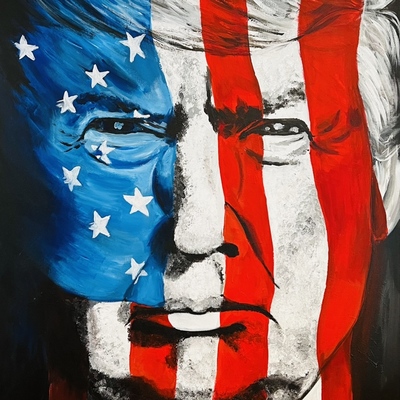
That is mostly propaganda.....you fell for it.
And none of this changes the truth of what I stated. Neither your absurd attempt to pretend that American Media is in cahoots with the President they regularly and openly oppose, nor the idea that they are somehow happy with becoming a nation scrabbling for food at the dump rather than buying it in a grocery store.It's been a trend for years. The below is from Google AI. Note first two: over-reliance on oil and cronyism with political appointees in place of experts. Sound familiar? LOL The collapse from there was led to socialist attempts at reforms, but obviously they all failed allowing crooks like Maduro to roll in and take over. Maduro is the MAGAt of Venezuela.
Q: why has venezuela fallen from being rich?
A: Venezuela's fall from being one of Latin America's richest countries is due to a combination of
political mismanagement, economic over-reliance on oil, rampant corruption, and a dismantling of democratic and economic institutions. These issues, spanning the administrations of Hugo Chávez and Nicolás Maduro, led to a severe economic collapse and humanitarian crisis.
Key factors contributing to the decline include:
These interconnected factors transformed a once-wealthy nation into one facing severe poverty and a massive humanitarian crisis that has driven millions to emigrate.
- Over-reliance on Oil: Venezuela's economy was heavily dependent on oil exports for revenue, accounting for around 95% of its exports. When global oil prices plummeted in the mid-1980s and again in 2014, the country's main source of income vanished, leaving it unable to pay for essential imports or debt.
- Mismanagement of the Oil Industry: The state-owned oil company, PDVSA, was systematically mismanaged. The government fired thousands of skilled workers and replaced them with political loyalists, leading to a massive loss of technical expertise. This, combined with a lack of reinvestment, caused oil production to decline steadily from over 3 million barrels per day to a fraction of that amount.
- Destructive Economic Policies: The Chávez and Maduro governments implemented price controls on thousands of goods and rigid foreign currency controls. These policies distorted the market, led to severe shortages of basic necessities like food and medicine, and made it nearly impossible for private businesses to operate or profit, forcing many to close or leave the country.
- Nationalization and Expropriation: The government nationalized hundreds of private companies and farms across various sectors, from agriculture to telecommunications. These state-run enterprises often became inefficient and corrupt, leading to a massive decline in domestic production and increased reliance on imports.
- Hyperinflation and Unsustainable Spending: The government financed massive social spending and fiscal deficits by printing money, which led to one of the worst hyperinflation crises in modern history. This rendered the national currency nearly worthless and destroyed the purchasing power of citizens.
- Corruption and Lack of Checks and Balances: Billions of dollars in oil revenues were lost to corruption. The concentration of power and dismantling of independent democratic institutions meant there were no checks on the government's economic decisions, allowing disastrous policies to continue unchecked.
- International Sanctions: While not the primary cause of the initial collapse, U.S. sanctions imposed in recent years have further constrained the country's access to international financial markets and oil export potential, exacerbating the crisis.
These articles analyze the systemic issues, from oil dependency to policy failures, that caused Venezuela's economic downfall:
Why did Venezuela's economy collapse?
Sep 23, 2024 — Why did Venezuela's economy collapse? * Before the collapse (1999 to 2013): bad macroeconomic policy. Presidents Hugo ...
Economics Observatory
Socialism: A Case Study on Venezuela - The Policy Circle
Oct 1, 2024 — Socialism: A Case Study on Venezuela. ... In the 1950s, Venezuela was the fourth wealthiest country in the world. Today...
The Policy Circle